
Slots, Poker and the Math That Keeps You Honest
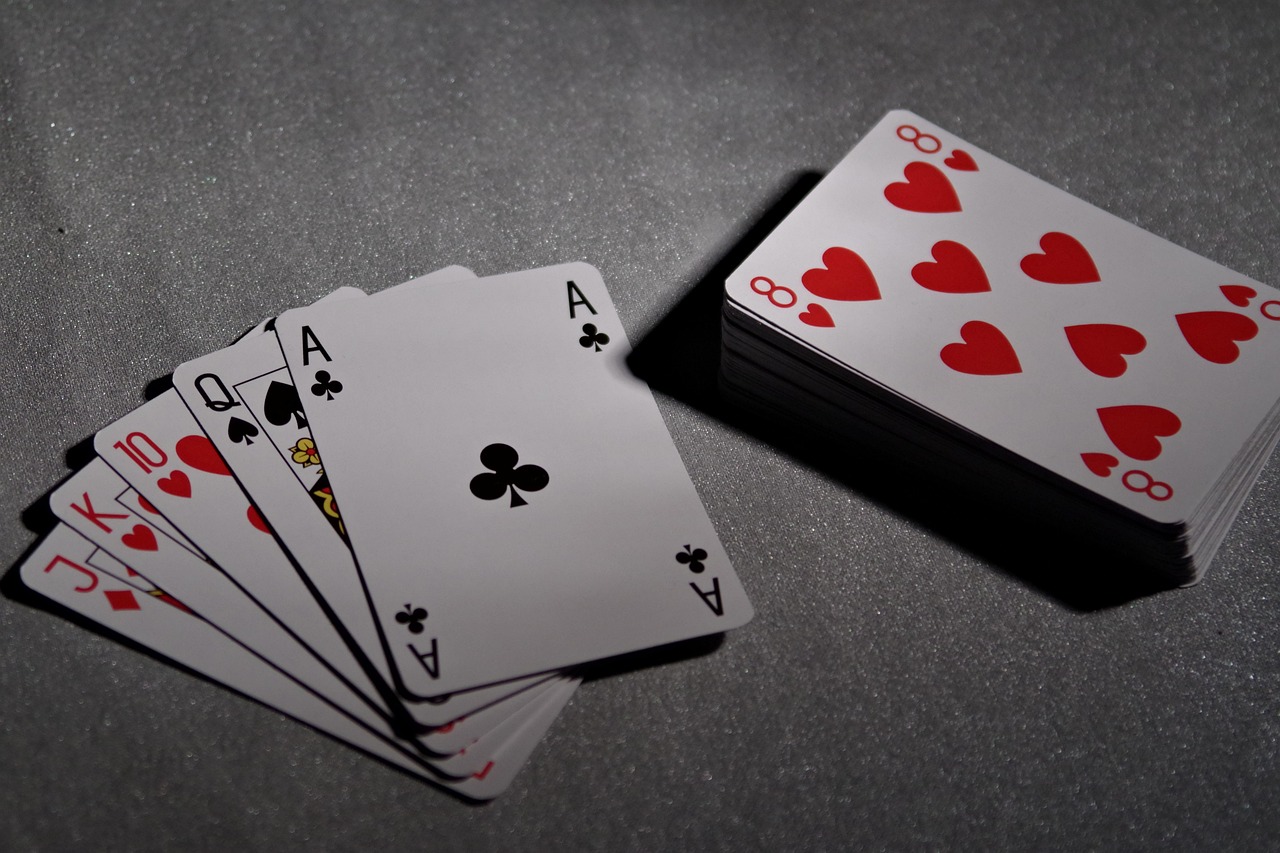
There's a moment every gambler knows. You're three hours deep in a session — maybe grinding a cash game, maybe chasing a bonus on a slot — and the math stops being abstract. You feel it in your gut. That's usually the exact moment your decision-making goes sideways. Understanding why that happens, and what the numbers actually do in the background, is the difference between a hobby that costs you money and one that buries you.
Let's dig into the mechanics across slots, poker, and sports betting — not to kill the fun, but to keep it from killing your bankroll.
House Edge Is Not a Suggestion
Every bet you place has a built-in tax. It's called the house edge, and it's baked into the rules, not the mood of the machine or the dealer's hot streak.
Compare a few standard games:
- Blackjack (basic strategy): roughly 0.5% edge
- Baccarat (banker bet): around 1.06%
- European roulette: 2.7%
- American roulette: 5.26% (that extra double-zero matters)
- Slots: typically 2% to 10%, sometimes higher on certain progressives
Here's what most players miss: the edge doesn't care about your last five spins. It's a long-run number. Over 10,000 hands or spins, the math dominates. Over 100, it's basically noise. That's why short sessions feel random and long ones feel like gravity. The house doesn't need to beat you every night; it just needs enough hands to show up.
Slots: RTP, Volatility, and the Myth of "Due"
Slots are the most misunderstood game in the building. Two numbers matter more than anything else on the paytable.
RTP (Return to Player)
A slot with a 96% RTP is designed to pay back $96 for every $100 wagered — over millions of spins, not in your session. A 94% RTP slot is meaningfully worse, and 90% is brutal. The gap sounds small. It isn't. A two-point difference doubles your expected loss rate over time.
Volatility
High-volatility slots (think Money Train or Gates of Olympus) pay rarely and heavily. Low-volatility games pay frequently and small. Neither is "better" — they suit different bankrolls and temperaments. Playing a high-volatility slot with a tight bankroll is the fastest way to bust before the variance swings your way.
Now the myth that won't die: machines are not due. Modern slots use random number generators that fire thousands of times per second. A machine that hasn't paid in two hours is exactly as likely to hit as one that just paid. The physical slot machine you're staring at is just a display; the RNG is the game. You can read more about it on สล็อตเว็บตรง.
Poker: The Only Game Where You Play the Player
Poker is the outlier in iGaming because you're not betting against the house — you're betting against other humans, minus a rake. That changes everything.
Three concepts separate long-term winners from the rest:
- Position: Acting last gives you information. The same hand is a fold from the small blind and a raise from the button.
- Pot odds: If a $20 call can win a $100 pot, you need 20% equity to break even. Do that math every time, not just when it's close.
- Range, not hand: Amateurs put opponents on one specific hand. Winners put them on a distribution of hands and bet accordingly.
The variance in poker is brutal even when you're playing well. A 55% favorite loses 45% of the time. You can play perfectly for a month and still be down. That's why bankroll management matters more in poker than in any other format — 20 to 30 buy-ins for cash games is a reasonable floor, and tournament players need 50 to 100.
Betting: Where Public Money Goes to Die
Sports betting is the fastest-growing corner of the industry, and also where recreational bettors lose money fastest — often not because they pick losers, but because they pick expensive winners.
Bookmakers set lines based on where they expect money to land, not purely on probability. That's why favorites at big public teams are often poor value. If you're backing the Patriots or Manchester City because everyone is, you're paying a premium for the privilege.
A few realities worth sitting with:
- Vigorish (vig): Standard -110 pricing means you need to win 52.4% of bets just to break even.
- Closing line value (CLV): If you consistently beat the closing odds, you're likely a long-term winner. If you don't, you're probably not.
- Parlays and same-game builders: High entertainment value, terrible expected return. The house edge multiplies with every leg.
Sharp bettors treat betting like a market, not a lottery. They hunt for mispriced lines, exploit soft books, and accept that 55% is an elite win rate.
Bankroll Management: The Unsexy Skill That Saves You
You can be the smartest bettor in the room and still go broke. Bankroll management is what separates surviving players from former players.
The rules are boring and effective:
- Decide upfront what money is disposable — money that losing won't affect your rent, your relationships, or your sleep.
- Size your bets relative to your bankroll, not your emotions. 1-2% per bet is a working default.
- Set loss limits per session and per week, and treat them as hard stops.
- Track everything. Spreadsheets, apps, notebooks — whatever you'll actually use. Most players dramatically underestimate their losses.
Bonus terms deserve equal scrutiny. A 40x wagering requirement on a $100 bonus means you need to bet $4,000 before withdrawing a cent — and slots usually count 100% toward that, while table games might count 10%. Read the fine print before you opt in, not after.
The Honest Conclusion
None of this is meant to scare you off. iGaming is genuinely entertaining, and for many people it's a legitimate hobby with a clear entertainment budget. But there's a fork in the road every player reaches: you either learn the mechanics — the RTP, the vig, the variance, the rake — or you become the raw material for someone else's edge.
The players who last aren't the ones with the best hunches. They're the ones who treat gambling like what it is: a game with real mathematical expectations, finite bankrolls, and long-run outcomes they can't control. Everything else — the hot streaks, the "due" machines, the sure-thing parlays — is theater. Enjoy the theater. Just don't pay for it with next month's rent.

4 Comments