
The Role of Crop Rotation in a Productive Vegetable Plot
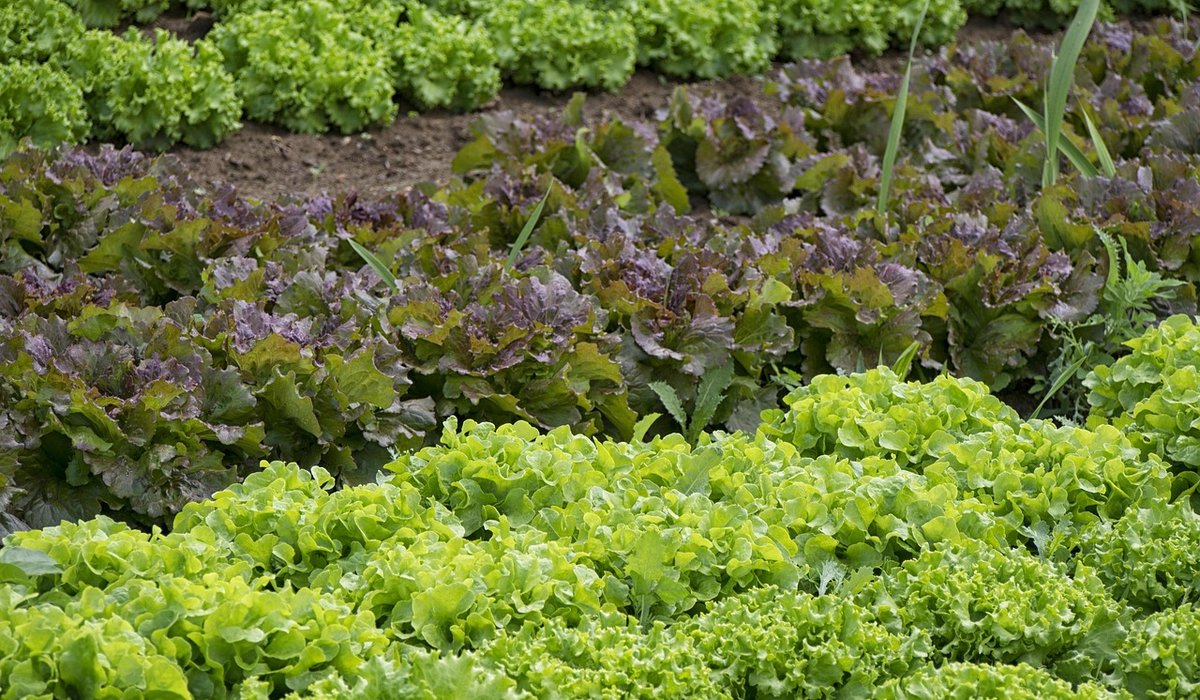
Anyone who has kept a vegetable plot going for more than a few seasons knows the feeling: the first year is glorious, the second is good, and by the third the carrots are forked, the cabbages are sulking and the onions are rotting in store. That slow decline is rarely bad luck. It is usually a sign that the same crops have been growing in the same ground, year after year. Crop rotation is the old answer to that problem, and it remains one of the most reliable tools a smallholder has.
Why Rotation Earns Its Place
Pests and diseases build up in soil when their favourite host plant is always within reach. Clubroot spores in brassica ground can survive for up to twenty years, and onion white rot is just as stubborn. Potato cyst eelworm, carrot fly and cabbage root fly all overwinter in the soil or in plant debris, waiting for the same crop to return.
Move that crop somewhere else and the life cycle breaks. The pest emerges to find nothing it can eat, and its numbers fall sharply.
Nutrition works the same way. Heavy feeders such as brassicas and potatoes strip nitrogen and potash from a bed, while carrots and parsnips will tolerate far poorer ground. Legumes actually put nitrogen back. Rotating means each bed gets a rest, a different demand and, in most systems, a good dressing of muck every few years. Soil structure improves as a result, and weed pressure is easier to manage when you are hoeing different crops in different places rather than letting one persistent weed settle in permanently.
Know Your Plant Families
Rotation is organised by plant family, not by what ends up on the plate. Beetroot, for instance, belongs with spinach and chard rather than with the roots, though it is usually grown alongside them without much harm. The groups that matter in a British plot are:
- Brassicas — cabbages, kale, sprouts, broccoli, swede, turnip, radish, rocket.
- Legumes — peas, broad beans, runner beans, French beans, clover.
- Roots and alliums — carrots, parsnips, beetroot, onions, garlic, leeks, shallots.
- Potatoes and tomatoes — the solanum group, hungry and prone to blight.
- Others — salads, sweetcorn, courgettes, spinach, herbs, which can be slotted in as space allows.
Get into the habit of writing the family name on the seed packet in pencil. It saves a lot of head-scratching in February when the catalogue arrives.
A Four-Bed Rotation That Actually Works
Split the plot into four roughly equal beds, or four blocks within a larger bed. Then run this sequence, moving everything on by one place each year:
- Year one: potatoes, with plenty of well-rotted manure dug in the previous autumn.
- Year two: legumes, sown into the ground the potatoes left behind. Lime if your soil is acidic.
- Year three: brassicas, planted after the legumes, on ground that has been firmed and, if clubroot is a risk, limed.
- Year four: roots and alliums, on the cleanest, leanest ground of the cycle.
Then start again at potatoes on the bed that has just finished with roots. Every crop follows something that left the soil in a useful state, and nothing meets its own enemy.
The Legume Advantage
Peas and beans are the engine of the whole rotation. Their roots form nodules that host nitrogen-fixing bacteria, and when the plants are finished, that nitrogen is released into the soil as the roots rot down.
Cut the haulm at ground level rather than pulling the plants, and leave the roots in place. Dig the bed over lightly in autumn and the following brassicas will find exactly the rich, nitrogen-hungry ground they want. Clover or field beans sown as a green manure over winter will do the same job on a bed that would otherwise stand empty.
Brassicas First, Then Roots
Brassicas are hungry, thirsty and partial to firm ground, so they belong straight after the legumes. Most gardeners also lime this bed, both to deter clubroot and to keep the crop growing steadily. That lime raises the pH, which suits brassicas well.
Roots, by contrast, want a leaner, deeper, stone-free bed — which is precisely what the brassicas leave behind. Carrots and parsnips fork badly in freshly manured ground, so this is the one bed where you must resist the temptation to add muck. A firm, fine tilth, raked level and free of lumps, gives you long, straight roots that store well into spring.
Because the roots finish late and the ground is left fairly clean, they are the natural crop to precede potatoes. The cycle closes neatly.
Making It Fit Your Own Plot
Small plots rarely divide perfectly into four. If space is tight, use three beds and merge potatoes into the legume year, accepting that you will need to watch for blight more carefully. Raised beds make the rotation easy to keep track of, but even a long, narrow plot can be split into four blocks with a couple of marker canes.
Keep a simple plan on paper or in a notebook: bed number, crop family, and the date the bed was cleared. Add notes about what did well and what did not. After a few years you will have a record that is far more useful than any general book.
Finally, remember that rotation is a guide, not a religion. If a bed needs a break, sow it with a green manure and leave it. If you must grow tomatoes in the same spot, grow them in a large pot or a grow bag instead. Flexibility, backed by a written plan and a willingness to move things on each spring, is what keeps a vegetable plot productive for decades rather than seasons.

4 Comments